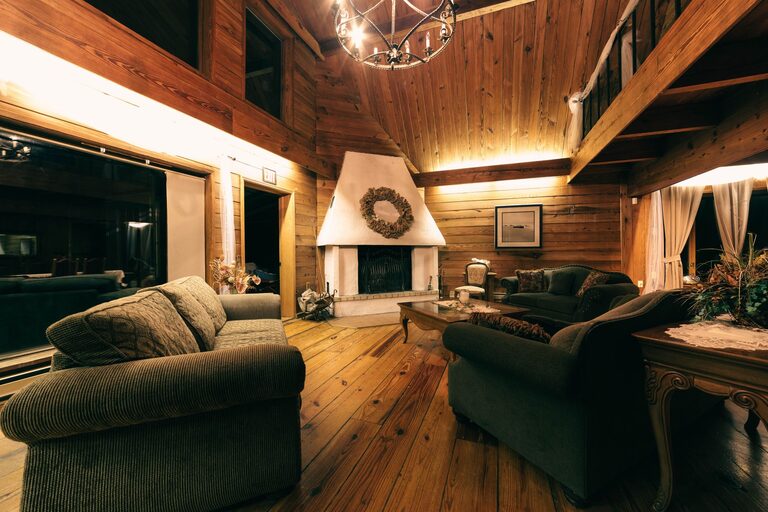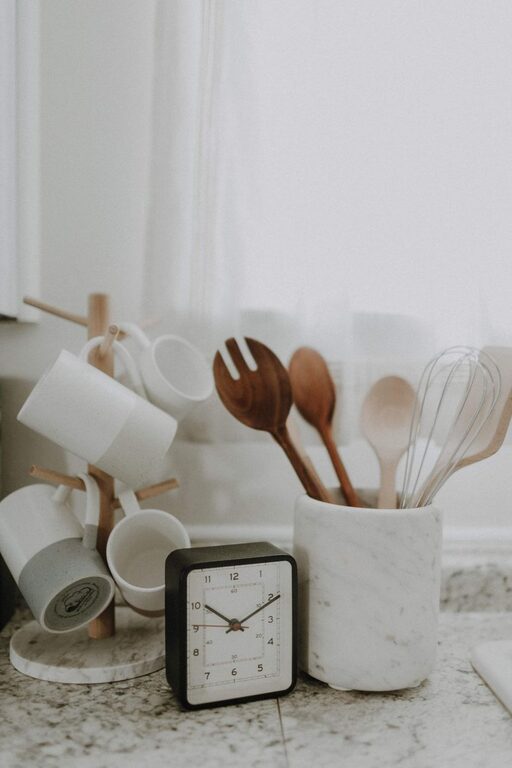
Creating a calm and inviting atmosphere in your home starts with the colors you choose. Color has a powerful effect on mood and can shape how you feel in a space. If you want your home to feel peaceful and relaxing, selecting calm colors is a great place to start. In this post, we’ll explore practical tips for choosing calming colors that suit your style and brighten your home.
Why Choose Calm Colors?
Calm colors generally include soft, muted tones that promote relaxation rather than energy or excitement. Using these colors can help reduce stress, improve focus, and create a cozy, comfortable environment. Whether you’re redecorating a bedroom, living room, or even a home office, calm colors can set the tone for a more soothing space.
Popular Calm Color Choices
Before diving into the selection process, it helps to know which colors are considered calm and why:
– Soft Blues: Reminiscent of the sky and water, light blues bring a sense of peace and tranquility.
– Gentle Greens: Inspired by nature, soft greens encourage balance and refreshment.
– Warm Neutrals: Shades like beige, taupe, and soft gray provide a natural, understated backdrop.
– Lavender and Soft Purples: These hues can add a touch of elegance while maintaining a serene vibe.
– Muted Pinks and Peach: Warm pastels create comfort without overwhelming the senses.
Tips for Choosing Calm Colors for Your Home
1. Consider the Room’s Purpose
Think about how you use each room. Bedrooms and bathrooms benefit greatly from calm, soothing colors since they encourage rest and relaxation. Living rooms and kitchens may blend calm colors with subtle accents to keep energy balanced.
2. Test Colors in Different Lighting
Lighting greatly affects how paint colors appear. Natural daylight will show the true color, while artificial lighting can shift its tone. Try testing paint samples on your walls and observe them at different times of the day before committing.
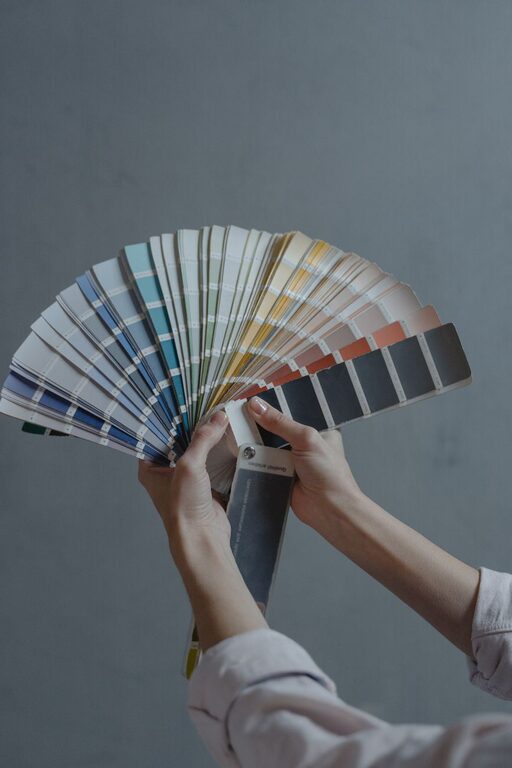
3. Use Color Samples and Swatches
Buy small sample pots or get swatches from your local paint store. Apply patches of color on your walls to see how they interact with your furniture and décor elements.
4. Choose Colors with Soft Undertones
Colors with gray or muted undertones tend to feel calmer than bright, pure hues. For example, a blue-grey will feel more restful than a bright sky blue.
5. Create a Harmonious Color Palette
Pick a palette of two to three calm colors that complement each other. Use one as the dominant wall color and the others for accents, textiles, and accessories. Harmonious color combinations avoid clashes and add depth.
6. Balance Color with Texture and Light
Colors don’t work alone. Think about adding texture via fabrics, rugs, and furniture to bring warmth. Also, maximize natural light to keep calm colors from feeling dull or flat.
7. Avoid Overly Dark or Saturated Colors
While dark colors have their place, too much can make a space feel heavy or closed in. Stick to lighter, softer shades in calm palettes to open up the space and keep a peaceful vibe.
8. Use White and Off-White for Contrast
Whites and off-whites provide a clean, fresh counterpoint to calm colors without being stark. They can brighten the room and keep the overall look balanced.
How to Incorporate Calm Colors Beyond Walls
Calm colors don’t have to be limited to paint. You can introduce peaceful hues through:
– Furniture: Choose sofas, chairs, or tables in muted shades.
– Textiles: Use curtains, pillows, and throws in soft pastel or neutral tones.
– Decor: Add calm-colored vases, picture frames, and lampshades.
– Flooring: Rugs with pale blues, greens, or grays can tie a room together.
Final Thoughts
Choosing calm colors for your home is a rewarding way to create spaces that feel refreshing and welcoming. By focusing on soft tones, considering light, and testing samples, you can find the perfect palette to suit your lifestyle. Whether you prefer cool blues, gentle greens, or warm neutrals, calm colors can help transform your home into a peaceful retreat.
Remember, color choices should reflect your personal taste and the mood you want to set. Take your time, experiment, and enjoy the process of making your space truly yours.
About the Author