
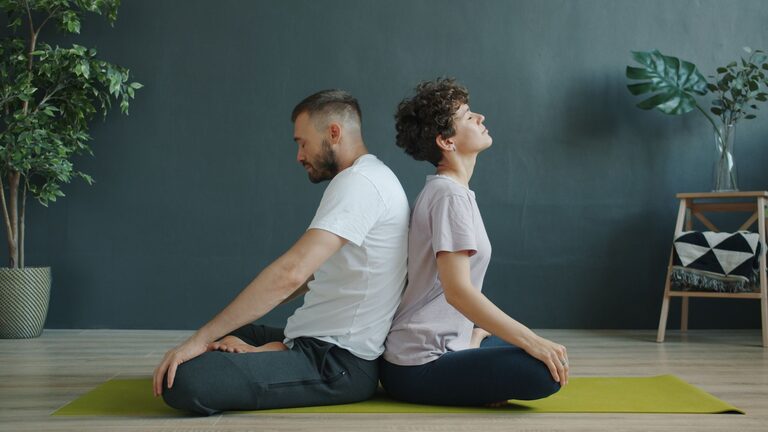
Taking a few mindful breathing breaks each day can be a simple yet powerful way to boost your mental well-being, reduce stress, and improve concentration. If you’re new to mindfulness or breathing exercises, this guide will help you get started with easy tips and techniques you can use anytime, anywhere.
What Is Mindful Breathing?
Mindful breathing is the practice of focusing your attention on your breath. It involves observing the natural rhythm of your inhalation and exhalation without trying to change it. This focused awareness encourages relaxation, helps calm the mind, and brings you into the present moment.
Unlike deep breathing exercises that often aim to increase oxygen intake, mindful breathing is more about gentle attention and presence. It’s accessible for anyone and requires no special equipment.
Benefits of Mindful Breathing Breaks
Before diving into the how-tos, it’s helpful to understand why mindful breathing breaks are so valuable:
– Reduces stress: By calming your nervous system, mindful breathing can lower feelings of anxiety.
– Improves focus: Taking short pauses to breathe mindfully refreshes your attention and helps maintain productivity.
– Enhances emotional regulation: When you’re more mindful, it’s easier to respond thoughtfully rather than react impulsively.
– Boosts relaxation: Breathing breaks can promote a sense of calm and well-being.
– Supports better sleep: Practicing mindful breathing throughout the day can improve your overall relaxation, leading to better sleep quality.
How to Start Mindful Breathing Breaks: Beginner Tips
Getting started is simple. Here are some practical tips to help you incorporate mindful breathing into your daily routine.
1. Choose a Comfortable Spot
You don’t need a special place, but find somewhere you feel comfortable and won’t be disturbed. It could be your desk, a cozy chair, or even a quiet corner outside. Sitting upright with a relaxed posture helps your breathing flow naturally.
2. Set a Timer
When you’re just beginning, start with short sessions—30 seconds to 2 minutes. You can gradually increase the time as you get more comfortable. Using a gentle timer or an app with a soft sound can keep you focused without distractions.
3. Close Your Eyes or Soften Your Gaze
Closing your eyes helps minimize distractions, but if that’s not comfortable, simply soften your gaze. Focus on your breath without trying to control it.
4. Notice Your Natural Breath
Rather than taking deep or forced breaths, simply observe your breath. Notice how the air feels entering your nostrils, how your chest or belly rises and falls, and the rhythm of your breathing.
5. Use a Breath Count or Gentle Reminder
If your mind wanders, gently bring it back by silently counting breaths (for example, inhale 1, exhale 2, up to 10 and then back down). Alternatively, use a simple phrase like “in” on inhale and “out” on exhale.
6. Practice Regularly
Try to take mindful breathing breaks multiple times a day, especially during transitions or moments of stress. Setting reminders on your phone or calendar can help make it a habit.
Simple Mindful Breathing Exercises for Beginners
Here are a few easy exercises to try during your mindful breathing breaks:
Box Breathing
- Inhale slowly through your nose for a count of 4.
- Hold your breath gently for a count of 4.
- Exhale slowly through your mouth for a count of 4.
- Pause and hold your breath again for a count of 4.
- Repeat for 3-5 cycles.
Box breathing helps regulate your breath and brings calmness quickly.
4-7-8 Breathing
- Inhale quietly through your nose for a count of 4.
- Hold your breath for a count of 7.
- Exhale completely through your mouth for a count of 8.
- Repeat 3-4 times.
This exercise is excellent for relieving anxiety and promoting relaxation.
Belly Breathing
- Place one hand on your chest and the other on your belly.
- Inhale deeply through your nose, allowing your belly to rise as you breathe in.
- Exhale slowly through your mouth, feeling your belly fall.
- Focus on the movement of your belly throughout the breath.
- Repeat for 1-2 minutes.
Belly breathing encourages full breaths and helps reduce tension.
Tips to Maintain Your Practice
– Be kind to yourself: It’s normal for your mind to wander; gently redirect your attention without judgment.
– Combine with other mindfulness activities: Pair breathing breaks with stretching, walking, or journaling for a fuller mindful routine.
– Stay consistent: Aim to practice daily, even if only for short moments.
– Use guided resources: Apps or online videos can offer gentle guidance and variety in your practice.
– Listen to your body: If a breathing exercise feels uncomfortable, adjust it or simply return to natural breathing.
When to Take Mindful Breathing Breaks
Incorporate mindful breathing breaks during moments like:
– Before starting work or study sessions
– When feeling overwhelmed or stressed
– During transitions between tasks or meetings
– After a physical activity or long walk
– Before going to sleep
Even brief moments of mindful breathing can reset your energy and focus.
—
Mindful breathing breaks are an accessible and effective way to bring calm and clarity to your daily life. Starting with just a few minutes a day can make a meaningful difference over time. So take a deep breath, try these beginner tips, and enjoy the simple power of mindful breathing!
About the Author