
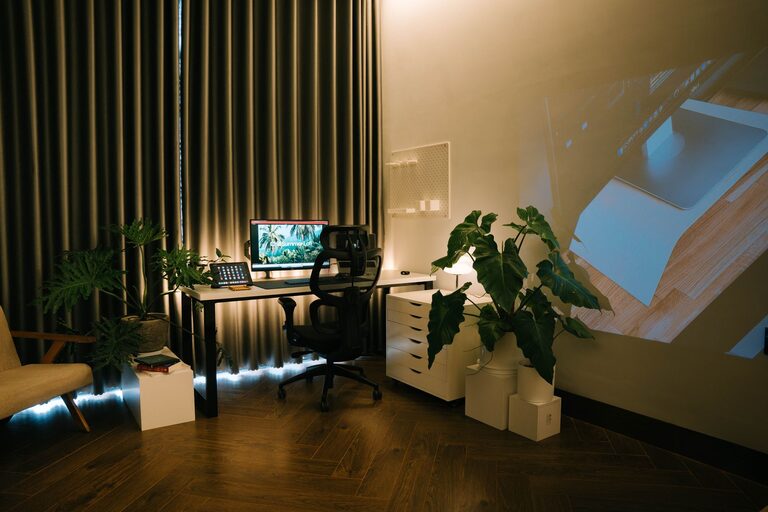
Creating a relaxing home workspace is essential for maintaining focus, reducing stress, and increasing productivity. Whether you’re working remotely full-time or occasionally catching up on tasks, having a comfortable and calm environment can make a significant difference. In this post, we’ll explore practical steps to design a home workspace that feels inviting, efficient, and relaxing.
Why a Relaxing Workspace Matters
A well-designed workspace affects both your mood and your ability to concentrate. Clutter and distractions can increase stress and reduce efficiency, while a peaceful, organized area can foster creativity and motivation. Your home workspace should be a place where you feel at ease but also prepared to tackle your daily tasks.
Choosing the Right Location
Find a Quiet Spot
Select a space in your home that is quiet and away from high-traffic areas. This reduces interruptions and noise, which can disrupt your workflow.
Consider Natural Light
Natural light boosts mood and energy levels. Position your desk near a window if possible. If natural light is limited, use soft, warm lighting to create a comfortable ambiance.
Assess Space Needs
Ensure your workspace has enough room for your computer, notebooks, and any other tools you use regularly. Avoid cramped areas that can feel suffocating or cluttered.
Setting Up Your Desk and Chair
Invest in Ergonomics
Choose a chair that supports good posture to prevent back pain. Your desk height should allow your arms to rest comfortably at a 90-degree angle when typing.
Keep Essentials Within Reach
Organize your desk so frequently used items—pens, notepads, phone—are easily accessible. This reduces disruptions caused by searching for tools.
Personalize Your Space
Add a few personal touches such as photos, plants, or inspirational quotes. These can make your workspace feel welcoming and motivating.
Declutter and Organize
Use Storage Solutions
Shelves, drawers, and organizers help keep your desk tidy. Store paperwork and office supplies out of sight to maintain a clean surface.
Schedule Regular Cleanups
Set aside time weekly to declutter and reorganize. A clear space often leads to clearer thinking.
Incorporate Calming Elements
Add Greenery
Plants improve air quality and provide a soothing visual element. Low-maintenance plants like succulents or pothos are ideal for busy workdays.
Use Relaxing Colors
Decorate with soft, neutral colors like light blues, greens, or beige, which tend to promote calmness.
Play Soft Background Sounds
If silence feels isolating, consider gentle background sounds such as instrumental music, nature sounds, or white noise to enhance focus without distraction.
Establish Boundaries for Work and Relaxation
Define Workspace Hours
Set clear start and finish times for work. This helps prevent burnout and keeps work from spilling into your downtime.
Create Visual Cues
Closing a door, using a room divider, or rearranging furniture can signal when work time begins and ends, helping you mentally separate work from home life.
Maintain Good Habits
Take Regular Breaks
Stand, stretch, or walk around every hour. Short breaks refresh your mind and reduce physical strain.
Stay Hydrated and Nourished
Keep water nearby and have healthy snacks on hand to maintain energy throughout the day.
Practice Mindfulness
Simple breathing exercises or short moments of meditation can reduce stress and enhance your focus.
Final Thoughts
Creating a relaxing home workspace doesn’t require a complete overhaul of your home. Small adjustments in location, organization, lighting, and decor can transform your work environment. By prioritizing comfort and calmness, you’ll be better equipped to stay productive and enjoy your work-from-home experience.
Try implementing these tips today to create a workspace that supports both your well-being and your work goals.
About the Author